
Lubricated vs Non Lubricated Plug Valve : Which One Should You Choose?
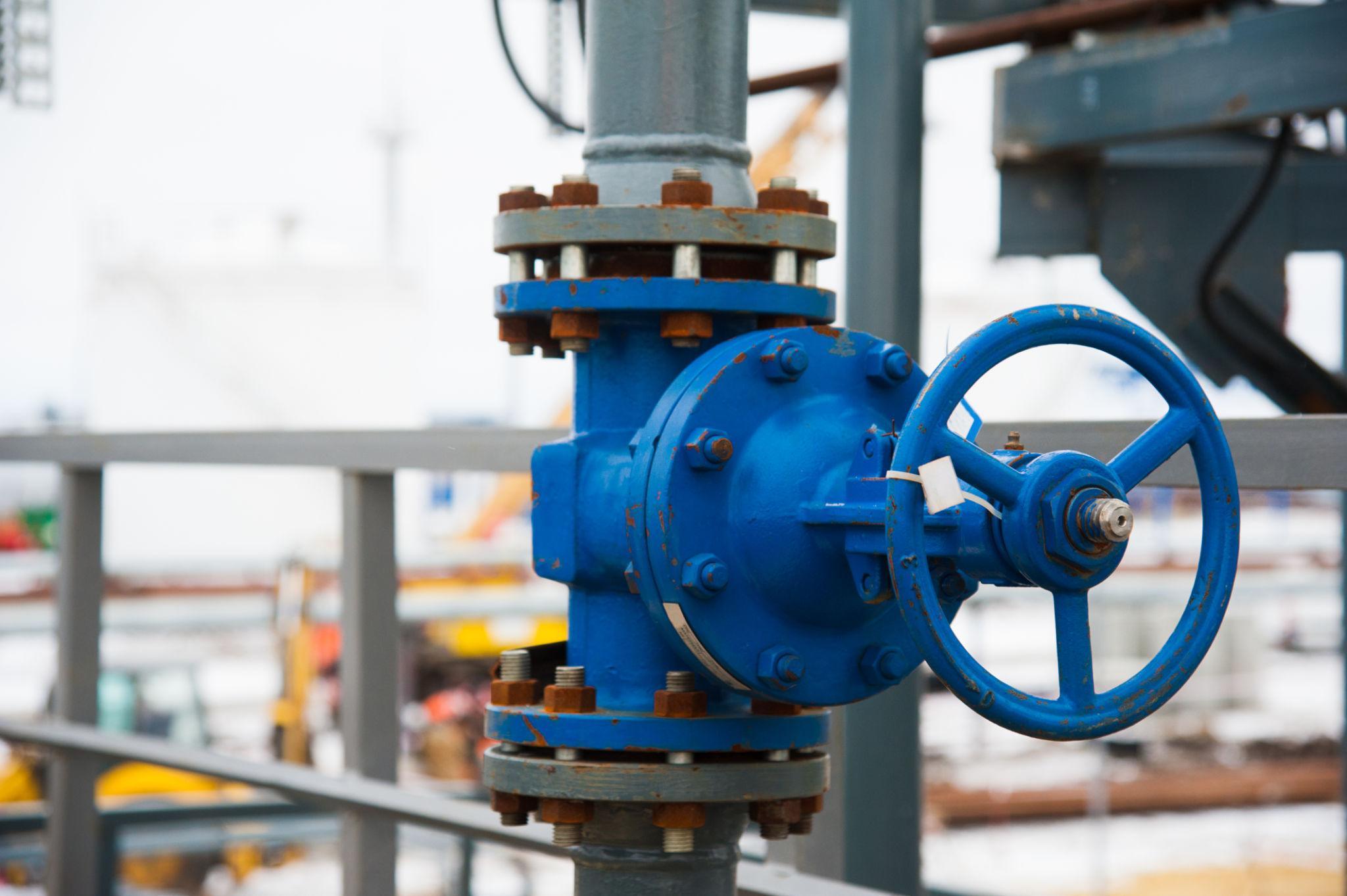
Plug valves are widely used across oil and gas, chemical processing, water treatment, power generation, and industrial utilities because they provide reliable quarter isolation with a simple operating mechanism. Their compact design, quick operation, and dependable shut off make them suitable for handling liquids, gases, steam, and slurry services. When engineers specify a plug valve, one of the first design choices is whether to select a lubricated plug valve or a non lubricated plug valve.
Although both perform the same basic function, their sealing methods, maintenance requirements, pressure capability, and operating characteristics differ significantly. Selecting the correct design improves process reliability, reduces downtime, lowers maintenance costs, and increases valve service life. This guide explains the working principles, advantages, limitations, applications, and selection criteria to help you choose the right plug valve for your industrial process.
How Plug Valves Work ?
- A plug valve consists of a tapered or cylindrical plug with a flow port.
- Rotating the plug by 90 degrees aligns the port with the pipeline to allow flow or turns the solid portion against the flow path to stop it completely.
- The difference between lubricated and non-lubricated plug valve lies in the sealing mechanism.
- A lubricated plug valve uses injected sealant to create a sealing film between the plug and body.
- A non lubricated plug valve uses a PTFE or elastomer sleeve that permanently seals the plug without external lubrication.
What Actually Separates the Two Designs ?
In a lubricated plug valve, a pressurised lubricant sealant is injected into grooves machined around the plug surface. This lubricant forms a continuous film between the plug and the body bore, serving two functions simultaneously: it provides the primary seal between the plug and the flow path, and it lubricates the plug rotation to reduce operating torque. The sealant is injected under pressure through a fitting at the top of the plug stem, and it must be replenished periodically to maintain sealing performance.
In a non lubricated plug valve, no sealant is used. Instead, the sealing function is handled by a sleeve or liner of low-friction polymer material, most commonly PTFE, that is fitted between the plug and the body bore. The plug surface presses against this sleeve with enough force to form a seal, while the low friction of PTFE keeps the operating torque manageable without any lubrication. Some non-lubricated designs use an elastomeric sleeve rather than a hard polymer liner, with the elastomer providing a conformable, resilient sealing surface.
The switch from lubricant-based sealing to sleeve based sealing is the engineering distinction that drives every difference between the two types. Once you understand that, the selection criteria become straightforward.
Which Plug Valve Is Best for Your Application?
Lubricated Plug Valve :
A lubricated plug valve contains lubrication grooves around the plug. Sealant is injected through a fitting and spreads evenly across the sealing surface. This reduces friction, lowers operating torque, protects metal surfaces, and fills microscopic surface irregularities to provide tight shut-off. These valves perform exceptionally well in demanding high-pressure and high-temperature services such as natural gas transmission, refineries, petrochemical plants, and hydrocarbon processing. They also tolerate thermal cycling better because metallic sealing components remain stable under elevated temperatures. However, periodic sealant replenishment is essential. Neglecting lubrication can increase torque, cause leakage, and eventually lead to galling or seizure.
Non Lubricated Plug Valves:
Non lubricated plug valve eliminate the need for injected sealant by using a PTFE, reinforced PTFE, or elastomer sleeve. The sleeve provides both sealing and a low-friction bearing surface. These valves offer clean operation, consistent torque, and minimal maintenance throughout their service life. Since there is no sealant, there is no risk of contaminating the process media. They are ideal for chemical processing, water treatment, utilities, clean process applications, and corrosive fluids. Their limitation is that sleeve materials have operating temperature and pressure limits, making them less suitable for extremely severe services.
Direct Comparison
| Parameter | Lubricated Plug Valve | Non Lubricated Plug Valve |
| Sealing Method | Pressurised sealant film between plug and body | PTFE or elastomeric sleeve pressed against plug |
| Routine Maintenance | Sealant replenishment required at defined intervals | Minimal; sleeve inspection at scheduled maintenance only |
| Seizure Risk | Present if lubrication is neglected | Very low; sleeve provides permanent low-friction interface |
| Fluid Contamination | Possible; sealant may contact process fluid | None; no sealant in flow path |
| Temperature Range | Higher; all-metal construction tolerates elevated temperatures | Limited by sleeve material; PTFE typically to 200 degrees C |
| Pressure Range | Wide; suitable for high-pressure service | Moderate; very high pressures may deform sleeve |
| Chemical Compatibility | Depends on sealant compatibility with process fluid | Broad; PTFE inert to most industrial fluids |
| Operating Torque | Low when properly lubricated; increases with sealant degradation | Consistent low torque throughout service life |
| Shut-Off Performance | Good; sealant fills surface imperfections | Good to excellent; sleeve conforms to plug surface |
| Typical Applications | High-pressure gas, elevated temperature hydrocarbon service, natural gas transmission | Chemical process lines, general utility, corrosive fluid service, clean process applications |
Making the Selection Decision
The selection question resolves itself once the service conditions are clearly defined. Three parameters do most of the work:
- Temperature: If the service temperature consistently exceeds 200 degrees C, or approaches this limit during process upsets, a lubricated all-metal design is the safer specification. Below this threshold, a non-lubricated PTFE-sleeved valve is generally appropriate.
- Fluid compatibility: If the process fluid is incompatible with hydrocarbon sealants, or if any sealant contamination of the fluid is unacceptable, the non-lubricated design is the correct choice regardless of other considerations.
- Maintenance commitment: If the installation will receive the scheduled lubrication attention that a lubricated plug valve requires, it is a sound specification for suitable services. If maintenance access is difficult, infrequent, or uncertain, the non-lubricated design removes a failure mode that is entirely dependent on maintenance discipline.
Pressure class is a secondary consideration. Both valve types are available across a range of pressure ratings, and very high-pressure service is achievable with either design if correctly specified. The temperature and fluid compatibility parameters are more frequently determinative in practice.
Lubricated and non-lubricated plug valves address the same isolation requirement through different engineering approaches, and the selection between them is genuinely application-specific rather than a matter of one being universally superior. Lubricated plug valves remain the right choice for high-temperature hydrocarbon service and natural gas transmission where their all-metal sealing capability and established track record justify the maintenance obligation they carry.
Non lubricated designs with PTFE sleeves have become the default specification for the broad majority of industrial process and utility applications, where their reduced maintenance burden, fluid compatibility advantages, and consistent operating torque outweigh the temperature limitations of the sleeve material. Speciality Valve supplies both types across a comprehensive range of body materials, port configurations, end connections, and pressure ratings, with the technical support to confirm the correct specification for each specific service condition.