
Valves Used in Petrochemical Industries – Types & Selection Guide
Petrochemical plants take hydrocarbons. Turn them into all sorts of chemical products like ethylene and propylene and benzene and methanol and lots of other things. These plants have to deal with high and low temperatures and pressures. They also have to handle chemicals that can catch fire or hurt people. Petrochemical plants run all the time except when they’re shut down for maintenance.
At Speciality Valve, a valve manufacturer in India that makes valves used in petrochemical industries they know how important it is to choose the right valve. They work with people who design petrochemical plants to make sure they use the valves. They do this to keep people safe and to make sure the plants run smoothly. Petrochemical plants need valves that can handle the conditions. Speciality Valve helps them find the Petrochemical valves.
Overview of Petrochemical Processing Systems
Petrochemical plants are made up of process units that work together. Each unit does a job like converting or separating things. The feed streams come into the plant as hydrocarbons or refinery products. They then go through units like crackers, reformers, fractionators, reactors and absorbers. After that they come out as finished chemical products or intermediates.
Here are the conditions for each process unit:
- Cracking units handle hydrocarbon streams at high pressures. These pressures can be close to air pressure or several hundred times more.
- Distillation and fractionation columns work with temperature differences. They also have liquid and vapour mixtures.
- Reactor systems need flow control. This is to keep the reaction conditions stable and prevent them from getting out of control.
- Storage and transfer lines handle finished products and intermediates at very low temperatures.
Valves are installed across these systems. They must be suitable for the conditions of each location. A valve that works for moving products at temperatures is not suitable for hot cracker effluent. It would need changes in material and design.
Operating Conditions and Process Challenges
Petrochemical plants are really tough on valves. They handle a range of media from super-cold gases to really hot and thick liquids. These media can be corrosive, erosive and prone to clogging. Their characteristics vary depending on the process.
Common problems in these plants include:
- Hydrocarbon gases seeping through sealing materials in high-pressure services
- Corrosion caused by hydrogen sulphide, chlorides and acidic process streams
- Erosion from particles in process streams in certain units
- Valves getting clogged in high-temperature hydrocarbon services
- Fire safety requirements in areas handling flammable media under pressure
- Meeting environmental regulations on emissions
When choosing a valve these conditions mean we need to look at more than just standard pressure and temperature ratings. We must consider chemical compatibility, how well the valve performs under changing temperatures and whether it meets fire safety and emissions standards. All these factors must be evaluated before confirming a valve design for use, in a petrochemical plant. Petrochemical processing environments need attention to valve operation.
Types of Valves Used in Petrochemical Industries :
Each valve type is chosen for a job in the process. There is no one valve that can do everything. Most plants just use a list of valves. This list says which valve to use, for each job. Petrochemical plants follow this list so they know which valve to use where.
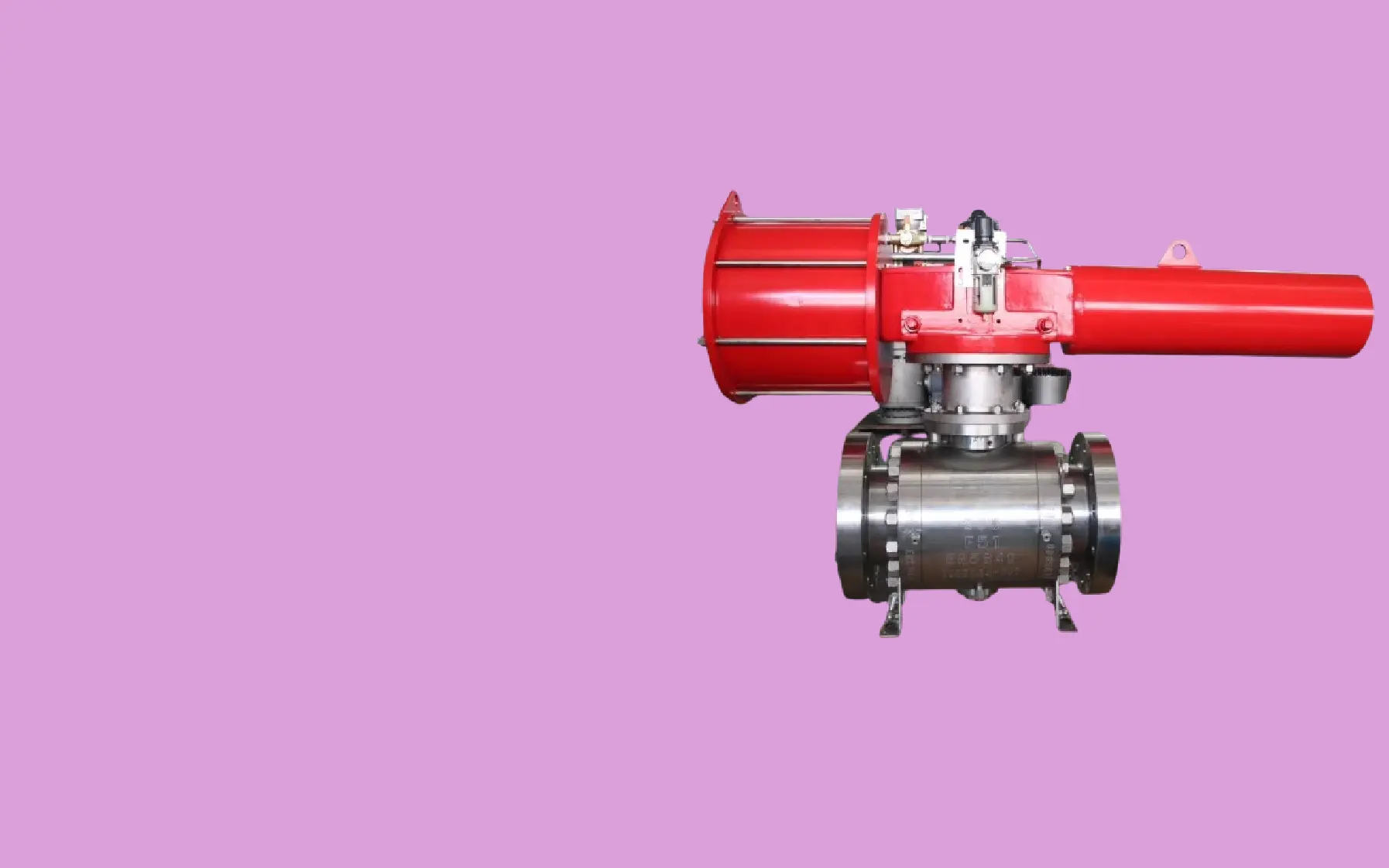
Ball valves are really common in petrochemical jobs. They are great because they are easy to use. Just a quarter turn, They let a lot of flow through with a full-bore path. Also they don’t take up space, which is good, for many uses like water and gas lines and even high-pressure oil lines. When it comes to sizes and higher pressures people often choose trunnion-mounted ball valves.
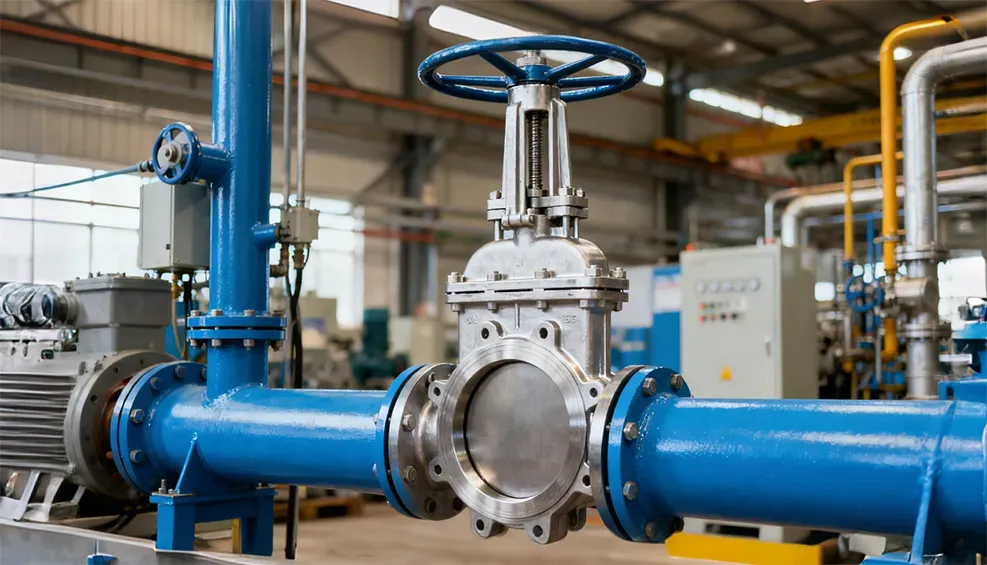
Gate valves are still the choice for stopping the flow of fluids in many petrochemical plants that deal with high pressure and high temperature. The reason gate valves are used is that they can handle hot steam and corrosive fluids in big pipes. This makes them a good option when you do not need to open or close them quickly.
Globe valves are used where we need to control the flow. They are used in control systems in a petrochemical plant. These systems use globe valves with parts for a specific job. In applications with high pressure special globe valves with many parts are used. These parts help to prevent damage to the valve. Globe valves with a seal are used where we need to prevent leaks.
Butterfly valves are used in large diameter, lower-pressure systems employing cooling water systems, air and inert gas distribution, and some product transfer lines. Double eccentric and triple eccentric configurations are appropriate for more challenging services, including some hydrocarbon applications, and give tighter shut-off than concentric butterfly valves.
Check valves, shield pumps, compressors, and process equipment from backflow. While dual plate and tilting disc systems are favored where lower pressure drop and faster reaction to flow reversal are top priorities, swing check valves are rather often found in bigger bore installations.
Safety valves and pressure safety valves at every point in a petrochemical facility needing overpressure protection are fitted. Accurate sizing to the pertinent relief scenario fire case, blocked outlet, heat exchanger tube burst is essential. Pilot-operated safety valves are employed in applications where the operating pressure is near to the set pressure and standard spring-loaded systems would be susceptible to simmering and seat damage.
Knife gate valves are used in slurry and catalyst handling applications where solid content would hasten the failure of conventional soft-seated valves. Their through-conduit architecture lets the gate cut through particulate-laden medium and guarantee dependable closure in applications where no other valve type properly handles.
Material and Design Considerations
Material selection for petrochemical valves depends on the chemical makeup of the process stream, operating temperature, pressure class and design codes. Carbon steel works well for moderate-temperature hydrocarbon services. However it is not suitable where hydrogen sulphide organic acids or high chloride content creates a corrosion risk.
- Stainless steel grades offer corrosion resistance in various chemical environments.
- Duplex and super duplex alloys are used in corrosive services where standard stainless grades are not enough.
- Speciality alloys like Inconel, Hastelloy and Monel are used in chemically aggressive services.
Some design considerations for petrochemical services are:
- Fire- design certification to API 607 or API 6FA for valves handling flammable hydrocarbons.
- Anti-static provisions to prevent charge buildup on the ball or disc.
- Fugitive emission testing to ISO 15848 or API 624 for low-leak packing systems.
- Cavity relief provisions on ball valves to prevent pressure buildup in the valve body cavity from expansion of trapped liquid hydrocarbons.
- Sour service compliance with NACE MR0175 / ISO 15156 for valves in hydrogen sulphide-containing streams.
Standards like API 600 API 602 API 608 API 609 ASME B16.34 and relevant ASTM material specifications provide the framework for valve design, material, testing and dimensional requirements in petrochemical service. These standards ensure that valves meet requirements for petrochemical services. They cover aspects such as material selection, design, testing and dimensions.
Common Failure Modes and Maintenance Practices
Valve failures in petrochemical plants often happen because of service conditions that were not fully checked during the planning stage. Sometimes it’s because of wear and tear that happens slowly and isn’t caught during maintenance.
Typical problems with valves include:
- Seat leaks caused by erosion from flowing liquids or particles hitting the seat
- Stem packing leaks that let hydrocarbons escape into the air
- Coking of valve parts in high-temperature hydrocarbon service, which stops the valve from working
- Stress corrosion cracking in stainless steel parts exposed to chloride-containing media at high temperatures
- Soft seat degradation in ball and butterfly valves exposed to process chemicals that don’t match the seat materials compatibility range
Maintenance plans in petrochemical plants are usually set up around scheduled shutdowns that happen every two to four years. Between shutdowns, checking valve performance online including surveys of emissions using equipment and monitoring valve seats acoustically helps spot problems before they get serious.
Important valves whose failure would directly affect process safety or environmental compliance get more thorough inspection and testing than utility or non-critical valves. Valve criticality classification done during the design phase and reviewed periodically during plant operation helps prioritise maintenance, in managed petrochemical facilities.
At Speciality Valve, a valve manufacturer in India, have to work in different conditions. These conditions range from low temperatures with light hydrocarbon streams to high temperatures with cracker effluents. They also go from low-pressure services to high-pressure reactor systems. A careful approach to valve specification along with inspection and maintenance can help prevent failures. It also ensures that the facility meets requirements and operates safely and efficiently over a long period. This approach is crucial for the efficient operation of petrochemical processing infrastructure.