
Valves Used in Mining and Mineral Processing Plants
Mining and mineral processing are two of the toughest industrial environments you will find anywhere. You have pipelines that handle stuff like abrasive slurry and corrosive leachate. They also have to deal with pressure, steam and harsh chemicals. Sometimes they have to handle all of these things at the time in different parts of the plant. Choosing the valve for each job is not just about buying something. It is about making an engineering decision that affects how well the plant runs, how safe it is and how much it can process.
A valve manufacturer in India that makes valves and really understands what mining is like makes this decision a lot easier. This guide will go through all the types of valves used in mining and mineral processing plants. It will cover things, like how they work, what types of valves there are, what they are made of, how to maintain them and what rules they have to follow.
Overview of Valve Applications in Mining Plants
Each with its own valve design and material specifications, a typical mining and mineral processing facility has many separate operating zones. Abrasive ore pulp and dense slurry are processed in the crushing and grinding circuit. Using process water, chemical reagents, and fine-particle slurry, the beneficiation section covering flotation, gravity concentration, and magnetic separation operates. Highly corrosive acids, alkaline cyanide solutions, and high-pressure steam or oxygen are all brought in by hydrometallurgical circuits like heap leach, carbon-in-pulp, and pressure oxidation. Large-diameter pipelines transporting settled solids and decant water underpin tailings management. Steam heating utility systems link the entire plant together along with compressed air and firewater.
Valves appear at every level: isolating machinery for maintenance, managing reagent metering rates, preventing pump backflow, controlling pressure over vessels, and stepping in for emergency overpressure relief. A well-run mining facility will have a wide range of valve types, materials, and actuations available since no one valve type can cover all of these duties.
Operating Conditions in Mining and Mineral Processing
Valve selection in mining facilities depends on four process conditions. The biggest challenge is dealing with slurry, which is a mixture of ore and solids that makes up 40 to 65 percent of the weight. Installing the valve in these lines usually causes problems like seat wear, disc erosion and body thinning. Corrosive chemicals are found throughout circuits.
Sulfuric acid is commonly used in copper and uranium leaching and also in gold refining. The type of chemical environment determines which materials, like alloys and polymers can be used. Autoclaves make things more complicated as they operate at pressures between 1,500 and 3,000+ kPa and high temperatures above 200°C. Concentrate lines and tailings pipelines have diameters and high flow rates, which increases pressure drop, erosion and the force needed to operate the valves. This puts a lot of stress on the valve actuators.
Common Valves Used in Mining and Mineral Processing Plants
Knife gate valve: The knife gate valve is the most distinctly mining-specific valve type available. Its sharp-edged gate slices through a thick, fibrous slurry on closing, preventing solids from packing into the seat area where standard gate valves would fail. Knife gate valves are used in grinding circuits, thickener lines, tailings pump stations, and concentrate pipelines. Speciality Valve manufactures unidirectional, bi-directional, flanged, through-conduit, and slurry knife gate valves in manual and pneumatically actuated configurations for remote operation.
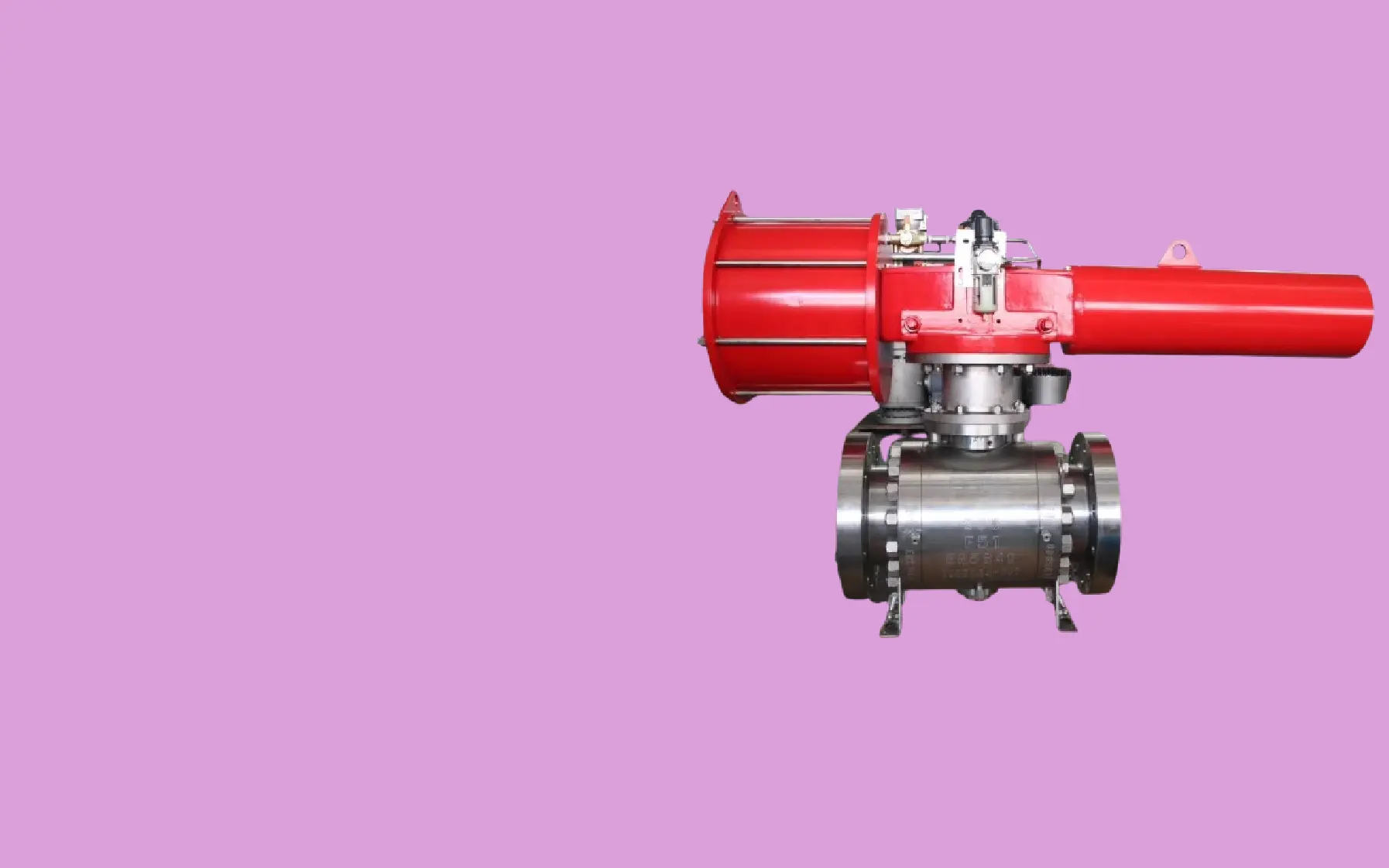
Ball valve: The ball valve is among the most widely used types across mining plant circuits. Quarter-turn operation and bubble-tight shut-off make it the standard choice for water lines, compressed air headers, and reagent feed systems. Floating ball valves suit moderate-pressure lines. For high-pressure water jetting and reagent injection, trunnion mounted ball valves are preferred as the mechanical support at both ends reduces seat load and maintains sealing performance. For acid and cyanide circuits, Hastelloy C276 ball valves and duplex stainless steel ball valves provide the necessary corrosion resistance.
Butterfly valve: The small, affordable butterfly valve helps with tailings discharge, recirculation lines, and large-diameter water delivery. With its three-offset design removing disc-to-seat rubbing wear during travel, the triple eccentric butterfly valve is ideal for high-pressure and high-temperature uses requiring metal-to-metal sealing. Double eccentric butterfly valve covers average isolation tasks in medium-pressure lines. Double flanged, lug, and wafer designs meet different installation needs.
Diaphragm valve: Chemical dosing circuits for flocculants, pH reagents, and flotation chemicals need a valve that fully isolates its internals from the process fluid. The diaphragm valve achieves this through a flexible membrane sealing element with no stem seals or packing glands contacting the reagent. Cast iron and ductile iron diaphragm valves cover general dosing service, while lined variants handle aggressive chemical streams.
Check valve: Pump discharge lines need reliable check valves to prevent reverse flow on pump shutdown. Backflow in slurry lines causes solids to settle and block pipelines rapidly. Dual plate check valves offer compact, spring-assisted closure for most pump discharge applications. Swing check valves suit larger bore lines requiring full-bore flow and low pressure drop. Non-slam swing check valves are the correct choice where a water hammer is a documented risk.
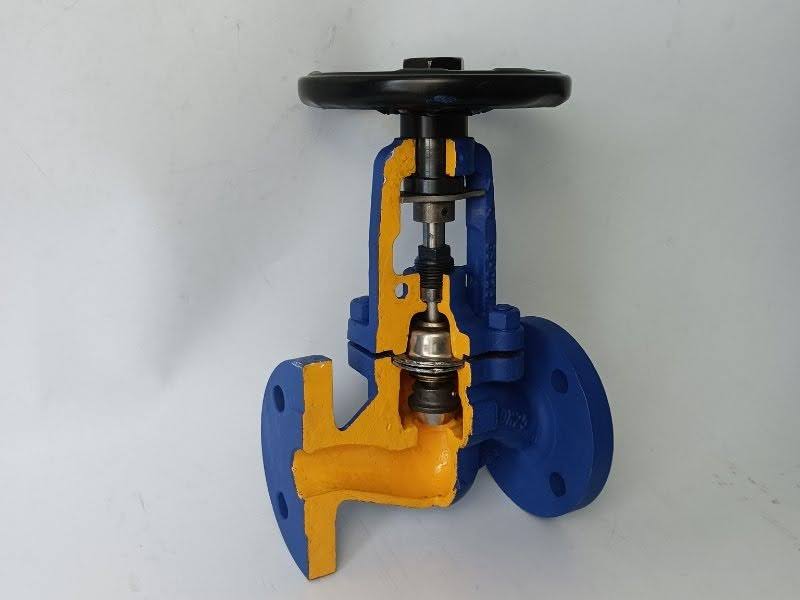
Gate valve: The gate valve is the standard isolation valve for raw water, firewater, and drainage services. Rising stem designs provide visual confirmation of valve position during maintenance. Forged steel gate valves cover high-pressure utility lines, ductile iron and cast iron versions suit standard water services, and pressure seal gate valves are specified for high-pressure, high-temperature steam lines in autoclave systems.
Control valve: Industrial control valves control flow, pressure, and level across processing circuits. All of thickening underflow density, reagent dosing speed, and autoclave pressure call for modulating control. Globe-style bodies and cage-guided trim on pneumatic control valves offer the needed accuracy and rangeability. Electric control valves are used when instrument air is missing or fail-in-place action is necessary. Angle body designs manage high-viscosity or flashing fluids.
Safety valve: Autoclaves and pressure vessels require certified overpressure protection. Pressure safety valves are sized to pass maximum relieving flow without exceeding vessel design limits. Pilot operated safety valves are preferred for autoclave service due to their tighter set pressure accuracy. Steam safety valves on heating circuits comply with API 526. Bellow seal variants protect the spring assembly from corrosive vapors over extended service periods.
Design and Material Considerations
The chemistry and abrasivity of the conveyed fluid determine material selection for mining valves. Neutral water, compressed air, and low-pressure applications need conventional carbon steel and cast iron. Dilute acid and chloride-containing streams are covered by stainless steel grades SS304 and SS316. Hastelloy C276 and Alloy 20 provide excellent resistance to both pitting and uniform corrosion at concentrations of sulfuric acid higher than 10 percent. Preferred selections in cyanide circuits and seawater-cooled systems are duplex and super duplex stainless steels since chloride stress corrosion cracking is a known danger. For very oxidizing acid conditions when even hastelloy and duplex steels come up short, Titanium valves are intended.
In abrasive service, seating and trim design are just as important as body material. Hard-faced seats using stellite-coated stainless steel or tungsten carbide overlays extend erosion life many times greater than typical 316 SS trim. Whether the main motivator for a particular line is minimal pressure drop or minimum cost will determine full-bore or reduced-bore selection.
The precise pressure class, temperature range, and physical access limitations of each installation point define body design decisions including forged vs. cast construction, pressure seal bonnet vs. regular bolted bonnet, and rising vs. non-rising stem.
The valves employed in mineral processing and mining facilities come in a great variety of types, materials, pressure ratings, and actuating mechanisms. Knife gate valves solve the abrasive slurry issue particular to mining. At various bore sizes, ball and butterfly valves offer isolation across process and utility systems. Critical process factors and chemical dosage are governed by diaphragm and control valves. Check valves safeguard pump circuits against backflow and water hammer. Gate valves separate conventional plant services. Overpressure occurrences are shielded from pressure vessels and steam systems by safety valves.
Getting valve choice right the first time lowers lifecycle expenses, raises plant availability, and guarantees legal compliance. As a leading valve manufacturer in India, Speciality Valve offers the whole range of valve kinds addressed in this manual, with body materials ranging from conventional carbon steel to exotic alloys including Hastelloy, duplex, super duplex, titanium, and Alloy 20. With compliance to API, ASME, and EN requirements, manual as well as actuated designs are offered throughout the entire range.