We deliver to you every day from 7:00 to 20:00

Your Cart
Add ₹300.00 to cart and get free shipping!
No products in the cart.
Free Shipping on All Orders Over $750
Add ₹300.00 to cart and get free shipping!
No products in the cart.
Free Shipping on All Orders Over $750
Soon stocks will run out
Dont miss this opportunity while supplies last.
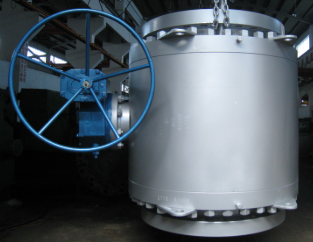
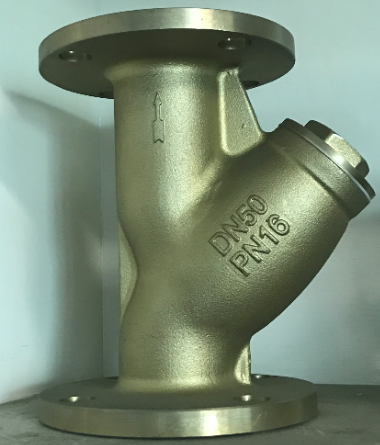
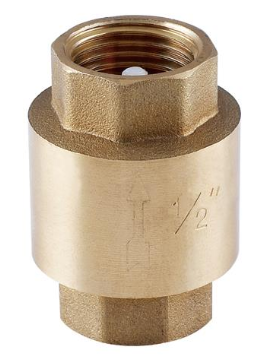
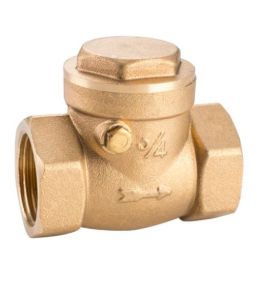
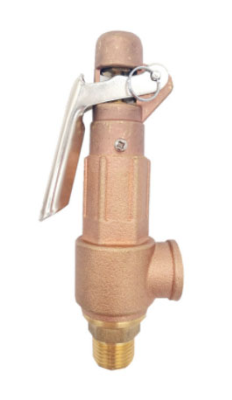
Valves Used in Oil and Gas Refineries
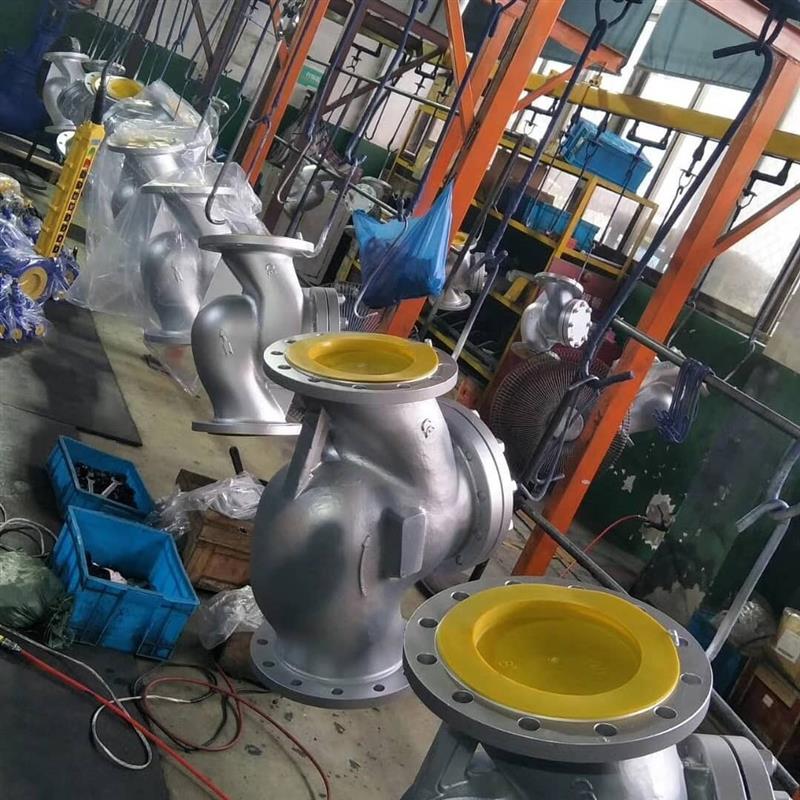
Oil and gas refineries are complicated industrial ecosystems in which exact management of fluid flow, pressure, and temperature is absolutely vital. Maintaining long-term dependability, safety, and operating efficiency depends mostly on choosing the proper valves. Supplying premium components that satisfy demanding industrial criteria and guarantee uniform performance under severe circumstances, a Valve Manufacturer in India such as Speciality Valve is quite important.
Usually at extreme temperatures and pressures, refinery valves handle crude oil, processed commodities, gases, and chemical intermediates. If process engineers and plant operators wish to ensure adequate flow, avoid system failures, and maintain the refinery operating safely, they need to understand the types, technical details, and how these valves work.
Working Principle of Valves in Refineries
Mechanical valves meant to control, direct, or regulate pipeline fluid flow are called valves. Refineries handle chemical intermediaries, gases, crude oil, and petroleum products. The primary working principles include:
- Flow Control: Altering the aperture to control flow rate.
- Isolation: Completely interrupting the flow for operational safety.
- Pressure Regulation: Keeping the system pressure between ideal levels.
- Backflow Prevention: Let flow in one way help to avoid contamination or risks.
Material choice and design are crucial as refinery valves usually run under high pressure (up to 250 bar) and high temperature (up to 450°C) conditions.
Common Types of Valves in Refineries
Refineries choose valves according to their purpose, process type, and fluid properties. The principal categories are listed in the table below:
| Valve Type | Function | Common Materials | Typical Size Range | Pressure Rating | Temperature Range |
| Gate Valve | On/off service; full flow | Carbon steel, Stainless steel, Alloy steel | 2” – 48” | Up to 250 bar | -29°C to 450°C |
| Globe Valve | Flow regulation | Carbon steel, Stainless steel, Alloy steel | 1” – 36” | Up to 200 bar | -29°C to 400°C |
| Ball Valve | Quick shut-off | Stainless steel, Alloy steel | 1” – 24” | Up to 200 bar | -29°C to 400°C |
| Check Valve | Prevent backflow | Carbon steel, Stainless steel | 2” – 48” | Up to 250 bar | -29°C to 450°C |
| Butterfly Valve | Throttling & isolation | Stainless steel, Carbon steel, Alloy steel | 4” – 60” | Up to 150 bar | -29°C to 250°C |
| Pressure Relief Valve | Safety release | Stainless steel, Alloy steel | 1” – 12” | Up to 200 bar | -29°C to 400°C |
Technical Specifications to Consider
Choosing valves for oil and gas refineries, engineers consider:
- Pressure Rating: Guarantees valves can sustain surge and operating pressures.
- Temperature Range: Compatibility with chemicals, steam, or hot hydrocarbons.
- Size and Port Design: Designed for maximum flow rate and system efficiency.
- Material Selection: For corrosion resistance, carbon steel, stainless steel, and high-performance alloys are utilized.
- End Connections: According to pipeline rules, flanged, welded, or threaded.
- Standards Compliance: Certifications from API, ASME, and ISO guarantee dependability and quality.
Particularly in high-pressure, high-temperature refinery situations, these requirements are crucial for both safety and efficiency.
Key Valve Applications in Oil and Gas Refineries
Valves are essential in refinery processes for a number of reasons:
- Crude Oil Handling: Crude oil flows from storage tanks to distillation units via gate and globe valves.
- Hydrocarbon Separation: Distillation columns use control valves to control hydrocarbon and steam flow.
- Gas Treatment Units: Natural gas is handled by ball and butterfly valves, therefore guaranteeing exact pressure control.
- Product Distribution: Check valves stop pipelines carrying processed commodities to storage or transportation systems from backflow.
- Safety Systems: Units are shielded from overpressure by safety valves and pressure relief valves, therefore preserving both machinery and workers.
Material Considerations for Refinery Valves
Given the harsh refinery environment, material choice is critical. Commonly used materials include:
| Material | Properties | Applications |
| Carbon Steel | Cost-effective, moderate corrosion resistance | General pipelines |
| Stainless Steel (SS304, SS316) | Excellent corrosion resistance, high-temperature tolerance | Acidic or corrosive fluids |
| Alloy Steel (Monel, Inconel) | High strength, corrosion & heat resistance | High-pressure, high-temperature services |
| Duplex Stainless Steel | Combines strength and corrosion resistance | Sour gas and chloride-containing media |
A Valve Manufacturer in India checks that valves are chemically compatible, can withstand high temperatures, and can handle the pressure needed to work in a refinery.
Industry Standards and Compliance
Oil and gas refineries require valves to conform to internationally recognized standards:
- API 600 / 602: Gate and globe valve design and testing.
- ASME B16.34: Pressure-temperature ratings and dimensions.
- ISO 9001: Quality management and traceability.
- NACE MR0175 / ISO 15156: Resistance to sulfide stress cracking in sour environments.
Adherence to these standards ensures valves perform reliably under extreme refinery conditions.
Specialized Features for Refinery Valves
Refinery valves frequently encounter corrosive fluids, intense temperatures, and high pressures. Many valves have unique design elements to guarantee dependability and safety:
- Fire-Safe Design: Preserves sealing integrity under fire circumstances to stop flammable fluid leakage.
- Fugitive Emission Control: Reduces leaks from packaging or seals, therefore safeguarding people and the surroundings.
- High-Pressure Sealing: Guarantees good sealing even if the pressure varies significantly.
- Automation Compatibility: Enables exact, remote operation by interface with actuators and control systems.
These qualities improve plant safety as well as operational efficiency. Reliable vendors such Speciality Valve provide valves suited to satisfy these important demands.
How to Choose Valves for Refineries
Choosing the best valve for refinery processes is a crucial choice that directly affects dependability, efficiency, and safety. Engineers must weigh several elements to guarantee best performance:
- Process Fluid: Make sure the chemicals and temperature won’t react badly with the material.
- Pressure & Temperature: Select valves graded above utmost operating circumstances.
- Valve Type & Size: Choose type and size based on how much flow you need and how well the system works.
- Standards Compliance: Check ASME, ISO, or API credentials.
- Special Features: For important uses, think about valves that are fire-safe, reduce emissions, or can be used with machines.
Choosing valves that satisfy the stringent requirements of refinery operations helps engineers to properly assess these criteria and so promote safety and efficiency throughout the plant by working with a reliable supplier.
Conclusion
Oil and gas refinery valves are essential for process efficiency, safety, and reliability; they go beyond only flow regulators. Knowing the types, materials, technical features, and uses helps engineers create strong and effective systems. Working with a Valve Manufacturer in India guarantees access to valves made for the demanding needs of refinery activities for professionals seeking quality and compliance.
Refineries can maximize performance and reduce operational hazards by thoroughly assessing standards compliance, process needs, and technical specifications. Investigating industrial-grade choices and technical features can enable engineers to make wise choices, therefore improving operational dependability free from safety concerns.