
Your Cart
Add ₹300.00 to cart and get free shipping!
No products in the cart.
Free Shipping on All Orders Over $750
Add ₹300.00 to cart and get free shipping!
No products in the cart.
Free Shipping on All Orders Over $750
Metal Seated vs Soft Seated Valves: Performance Comparison Guide
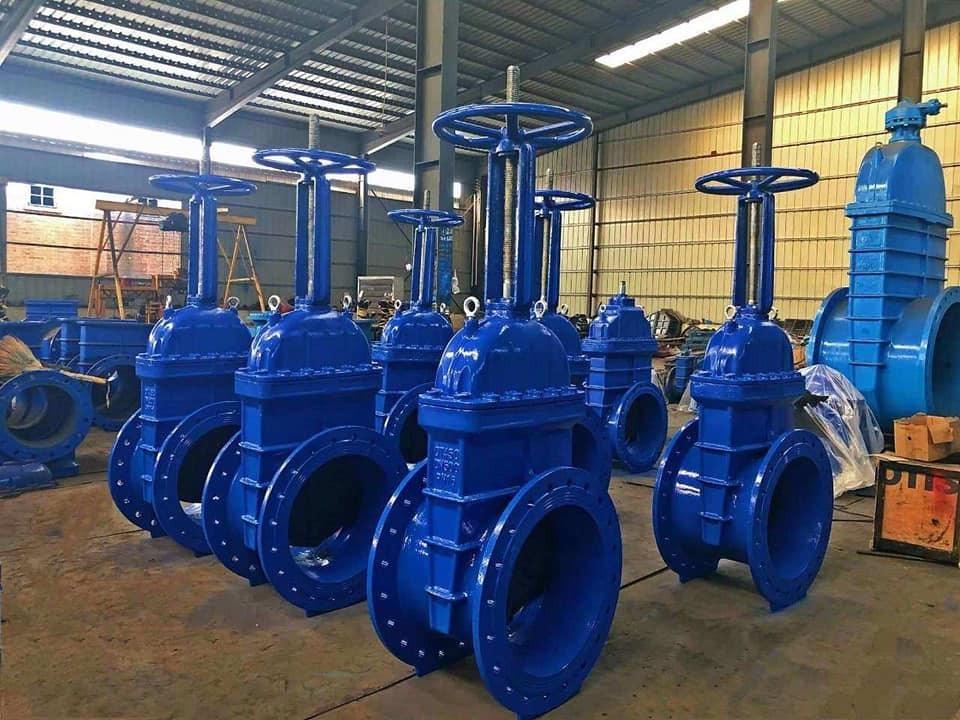
Industrial plants rely largely on accurate flow control components, hence choosing the right seating technology between metal seated and soft seated valves is among the most critical choices engineers must make. Under variations in fluid quality, cycle frequency, sealing expectations and temperature changes, these two setups act quite differently. Industries like refineries, petrochemicals, thermal power, gas processing, mining and water transmission commonly consider both possibilities before determining their process architecture. Although companies like Speciality Valve supply designed valves for these industries, the final choice relies on knowledge of seat performance, material properties, flow behaviour and international testing standards.
Engineers and consultants can choose the best valve seat for their needs with the aid of this thorough guide, which also offers a systematic comparison.
Overview: How Metal Seated and Soft Seated Valves Differ
The seat closure interface defines how a valve isolates flow, reacts to temperature shifts, and manages wear. The core distinction between metal vs soft seated valves lies in their sealing material and the way each type maintains contact during operation.
Metal Seated Valves
- Metal-to-metal contact
- Engineered for demanding service
- Suitable for high-temperature and erosive conditions
Soft Seated Valves
- Non-metallic seat inserts (PTFE, EPDM, FKM, RTFE, etc.)
- Achieve bubble-tight sealing
- Optimised for clean service and moderate pressure
These design pathways form the basis of their performance, leakage class, and long-term behaviour.
Material Composition and Engineering Design Differences
Seat material determines temperature capability, chemical resistance, seal tightness, and deformation control.
Metal Seated Valve Materials
- Stellite 6 / Stellite 21
- Tungsten carbide
- Chromium carbide
- Hard-faced stainless steel
- Inconel or Hastelloy trims
Engineering attributes:
- Precision lapping of seat–plug surfaces
- Hard-facing to resist erosion
- High stem thrust capacity
- Highly stable geometry even during thermal cycling
Soft Seated Valve Materials
- PTFE / Reinforced PTFE
- EPDM / NBR
- UHMWPE
- FKM (Viton)
- PEEK (in advanced polymer seats)
Engineering attributes:
- Flexible contact area for tighter sealing
- Lower actuation torque
- Controlled compression for bubble-tight performance
What Is the Difference Between Metal Seated and Soft Seated Valves?
| Feature | Metal Seated Valves | Soft Seated Valves |
| Temperature Range | Very high (up to 800°C depending on alloy) | Low to moderate (−30°C to 250°C) |
| Leakage Class | API 598 Class IV–V | API 598 Class VI (bubble-tight) |
| Wear Resistance | Excellent in slurry, high velocity, and solids | Limited; can deform with debris |
| Chemical Compatibility | High with correct alloy selection | Depends on elastomer/polymer |
| Torque Requirement | Higher due to rigid sealing | Lower due to flexible sealing |
| Service Nature | Severe service, steam, abrasive fluids | Clean liquids, gases, moderate duty |
This comparison shows why each seat technology supports a very different process requirement.
How Standards Evaluate Valve Seat Performance (API 598, ASME, ISO)
Global standards ensure that both metal and soft seats meet uniform requirements.
API 598 – Inspection & Testing of Valves
- Hydrostatic seat test
- Air seat test
- Defines allowable leakage for Class IV, V, VI
ASME B16.34 – Pressure–Temperature Ratings
- Body material rules
- Pressure class limits
- Validation for elevated temperatures
ISO 5208 – Pressure Testing of Valves
- A–H leakage classes
- Seat closure verification
API 607 / ISO 10497 – Fire-Safe Test
- Critical for valves with polymeric seats
ISO 15848 – Fugitive Emissions Testing
- Packing and sealing behaviour under mechanical load
These certifications validate structural integrity, seat stability, and sealing consistency.
Flow Characteristics and Valve Seat Mechanism
Valve seating influences fluid movement, turbulence patterns, and pressure loss.
| Metal Seated Valves | Soft Seated Valves |
| Suitable for turbulent, high-velocity flow | Smooth flow in clean liquids and gases |
| Handle erosive or particulate-laden media | Very low leakage under light-to-medium pressure |
| Maintain geometry under high thermal load | Minimal torque and stable control |
| Good for throttling in severe conditions | Not suitable for slurry, solids, or high-velocity erosion |
Operating Behaviour of Each Seat Type
Metal Seated Behaviours
- Tolerate temperature spikes
- Resist abrasive wear
- Low deformation under stem thrust
- Effective in cracking furnaces, steam lines, FCCU units
Soft Seated Behaviours
- Quiet sealing operation
- Highly effective for low-pressure gas isolation
- Sensitive to over-temperature conditions
- Best for instrument air, cooling water, or utility lines
Typical Applications for Both Seat Types
| Metal Seated Valves | Soft Seated Valves |
| High-temperature steam | Clean water networks |
| Refinery cracking operations | Compressed air |
| Mining slurry pipelines | HVAC flow isolation |
| High-pressure gas | Chemical dosing |
| Power turbine lines | Natural gas pipelines (Class VI shutoff) |
When Should You Select a Metal Seated Valve?
Choose metal seats when:
- Temperatures exceed 250°C
- Process fluid contains solids or abrasive particles
- Pressure drop is high
- System cycles rapidly
- Throttling in severe service is expected
- Fire-safe certification is required
When Should You Choose a Soft Seated Valve?
Select soft seats when you need:
- Class VI bubble-tight isolation
- Clean flow medium
- Lower operating torque
- Cost-effective sealing at moderate temperature
- Quiet operation in HVAC or utility services
Technical Specifications: Materials, Pressure Classes & Testing
| Specification | Metal Seated | Soft Seated |
| Body Materials | Carbon steel, stainless steel, duplex, Inconel | Stainless steel, carbon steel, brass, PVC |
| Seat Materials | Stellite, tungsten carbide, chrome carbide | PTFE, RTFE, EPDM, UHMWPE, FKM |
| Pressure Class | ASME 150–2500 | ASME 150–600 |
| Temperature | Up to 800°C | −30°C to 250°C |
| Leakage Class | API IV–V | API VI |
| Testing Standards | API 598, API 607, ISO 5208 | API 598, ISO 5208, ISO 15848 |
Performance Under Extreme Temperature and Pressure
| Metal Seated Valves | Soft Seated Valves |
| Maintain sealing integrity at temperatures up to 800°C | Provide bubble-tight shutoff (API Class VI) at low-to-moderate temperatures |
| Handle high-pressure applications such as steam lines and gas transmission. | Performance may reduce if exposed to high heat or rapid pressure changes. |
| Resist deformation under thermal cycling or rapid pressure fluctuations. | Seat compression or slight deformation can occur under extreme conditions. |
| Keep the performance of leakage class (API Class IV–V) in hostile environments like erosive or abrasive media. | Ideal for gases, clean fluids and low-pressure uses |
Factors That Determine the Right Seat Type
Key decision parameters include:
- Maximum & minimum temperature
- Pressure rating and cycling frequency
- Presence of abrasives or solids
- Required leakage class
- Media chemical compatibility
- Actuation torque requirements
- Expected maintenance intervals
- Seat deformation limits
- Fire-safety or emissions testing needs
This framework guides engineers toward a seat that matches the system’s operational profile.
Metal seated and soft seated valves offer really distinct functional goals. Soft seats offer great sealing and smoother operation for clean fluids under modest pressure, metal seats do best in high temperature, abrasive and heavy service settings. Designers of the system have to check leakage class standards, media characteristics, temperature exposure and actuation demands before setting on a last choice. Certification standards like API 598, ASME B16.34, ISO 5208, ISO 15848, and API 607 verify performance and ensure compliance in all kinds of industrial uses. A focused engineering examination guarantees the chosen seating technology ensures consistent system performance and process continuity as well as dependability.
Recent Posts
- Lubricated vs Non Lubricated Plug Valve : Which One Should You Choose?
- Valve Testing and Inspection Practices in Industrial Projects
- Valves Used in Industrial Pipeline Networks – Types & Application
- Valves Used in High Temperature Industrial Applications – Types, Material & Design
- Valves Used in Petrochemical Industries – Types & Selection Guide