
Your Cart
Add ₹300.00 to cart and get free shipping!
No products in the cart.
Free Shipping on All Orders Over $750
Add ₹300.00 to cart and get free shipping!
No products in the cart.
Free Shipping on All Orders Over $750
Valves Used in Cement Manufacturing Plants
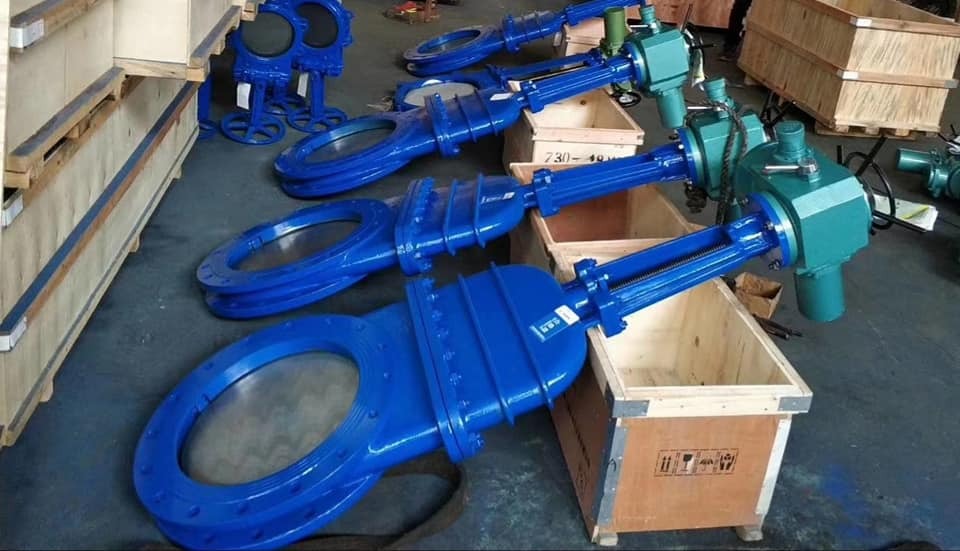
In cement manufacturing plants, valves are critical components that regulate the flow of solids, slurries, gases, and air throughout the production process. Engineers sourcing equipment from a trusted Valve Manufacturer in India rely on precise specifications to ensure operational efficiency, safety, and process consistency. Platforms like Speciality Valve provide detailed insights into valve types, materials, and design considerations, helping engineers select the right valves for abrasive, high-temperature, and high-pressure environments typically encountered in cement production.
Cement plants are complex systems where raw materials, fuel, and gases are continuously moved and processed. Valves ensure controlled flow, isolation for maintenance, and precise regulation in pneumatic, chemical, and thermal processes. Proper valve selection enhances productivity, reduces equipment wear, and maintains consistent product quality.
Role of Valves in Cement Plants
Valves perform several key functions in cement manufacturing:
- Flow Control: Regulating the flow of raw material slurries, water, chemical additives, and air in pneumatic systems.
- Isolation: Shutting off sections of pipelines for maintenance, safety, or operational adjustments.
- Pressure Regulation: Controlling air and gas pressure in pneumatic conveyors, dust collectors, and kiln exhausts.
- Backflow Prevention: Ensuring material, slurry, or gases move in the intended direction to prevent contamination or process disruption.
Given the abrasive nature of raw materials and the high temperatures in kiln and hot gas systems, valves must be robust, reliable, and designed for long-term operation under demanding conditions.
Types of Valves Used in Cement Manufacturing
| Valve Type | Typical Application | Pressure Rating | Temperature Range |
| Knife Gate Valve | Abrasive slurry, powder lines | PN10–PN25 | 0–120°C |
| Ball Valve | Pneumatic lines, chemical dosing | PN10–PN40 | 0–150°C |
| Butterfly Valve | Air ducts, exhaust, and ventilation systems | PN10–PN16 | 0–120°C |
| Globe Valve | Precise flow control in liquids | PN10–PN25 | 0–120°C |
| Check Valve | Prevent backflow of slurry, gases, or air | PN10–PN25 | 0–120°C |
Knife gate valves are widely used for slurry lines due to their ability to handle abrasive solids and powders with minimal obstruction. Ball valves offer quick shut-off and precise control in pneumatic and chemical dosing applications. Butterfly valves are ideal for large-diameter air and exhaust systems because of their lightweight, space-saving design, and low actuation torque. Globe valves are preferred for flow regulation where precise control is critical, while check valves ensure safe directional flow, preventing backflow in pneumatic or slurry lines.
Technical Specifications and Considerations
When selecting valves for cement plants, engineers must consider:
- Pressure Ratings: Ensure valves are rated for system pressures in slurry, gas, or pneumatic lines. High-pressure valves in fuel or pneumatic systems may require PN40 or above.
- Temperature Range: Kiln exhaust and hot gas systems may reach 200–250°C, necessitating high-temperature-resistant materials and seals.
- Size Range: Valves can range from small chemical dosing lines (15–50 mm) to large pneumatic or air duct systems (up to 1200 mm).
- Material Compatibility: Abrasive and chemically active media demand durable body and sealing materials.
- Actuation Type: Manual, pneumatic, or electric actuators are selected based on valve size, operational frequency, and process automation requirements.
- Flow Characteristics: Consider Cv values and flow coefficients to ensure valves can handle required flow rates without excessive pressure drop.
Proper evaluation of these parameters ensures reliable performance under the extreme conditions typical of cement plants.
Material Selection for Cement Plant Valves
| Material Type | Typical Use Case | Corrosion & Abrasion Resistance | Temperature Range |
| Cast Iron | Low-pressure water or slurry lines | Moderate | 0–120°C |
| Ductile Iron | Abrasive slurry and raw material lines | Moderate–High | 0–120°C |
| Stainless Steel | Hot gases, chemical lines | High | 0–250°C |
| Bronze/Brass | Water and chemical dosing lines | High | 0–120°C |
| Rubber/PTFE Seals | Soft sealing in slurry or chemical lines | High | -20–150°C |
| Hard-Faced Seats | Abrasive slurry and clinker lines | Very High | 0–250°C |
In abrasive lines, hard-faced seats (Stellite or tungsten carbide) extend valve life. Soft seals like PTFE or rubber are appropriate for low-pressure chemical dosing or water injection lines. Stainless steel bodies are recommended for high-temperature gas or exhaust lines to prevent corrosion and thermal deformation.
Applications Across Cement Plant Processes
Valves are critical at every stage of cement production:
- Raw Material Handling: Valves control flow in slurry systems, pneumatic conveyors, and powder lines, ensuring consistent material delivery to the kiln.
- Kiln Systems: Fuel, air, and exhaust flow are regulated using high-temperature valves designed for thermal stress and dust exposure.
- Clinker Cooling: Hot clinker is handled with valves that can resist abrasion, thermal shock, and high flow rates.
- Dust Collection & Airflow: Baghouse and dust collector systems rely on butterfly and ball valves for precise airflow control and safety.
- Chemical Additives and Water Lines: Valves in dosing lines ensure accurate additive measurement and maintain consistent product quality.
Each application has distinct pressure, temperature, and material requirements that must be matched to valve design for optimal performance.
Inspection and Testing Standards
To maintain reliability in harsh cement plant environments, valves undergo rigorous inspection and testing:
- Hydrostatic Testing: Confirms body strength and sealing integrity under system pressure.
- Operational Cycle Testing: Simulates repeated opening/closing to ensure actuator and seat durability.
- Temperature Endurance Testing: Evaluates performance under high-temperature gas or kiln conditions.
- Material Verification: Ensures compliance with ASTM, ISO, or ANSI standards.
- Visual and Dimensional Inspection: Confirms manufacturing tolerances, seat alignment, and surface finish.
Rigorous testing ensures valves function reliably under abrasive, high-pressure, and high-temperature cement plant conditions.
Special Features in Cement Plant Valves
Modern valves incorporate features to enhance durability and operational reliability:
- Double-Sealed Stems: Minimize wear in dusty, abrasive environments.
- Hard-Faced Seats: Resist erosion from slurries, powders, and clinker.
- Low-Torque Designs: Facilitate manual or automated actuation of large valves.
- High-Temperature Resistant Seals: Ensure reliable performance in kilns or hot gas lines.
These features improve longevity, operational consistency, and process efficiency in cement manufacturing plants.
Conclusion
Valves play an indispensable role in cement manufacturing plants, controlling flow, pressure, and isolation across multiple process stages. Selecting the right valve type, materials, actuation, and design features ensures reliable operation in abrasive, high-temperature, and high-pressure conditions. Collaborating with a trusted Valve Manufacturer in India and consulting technical guidance on Speciality Valve provides access to valves engineered for demanding cement plant applications. Thorough evaluation of specifications and features enables engineers to optimize plant operations, maintain efficiency, and ensure long-term reliability.
Reviewing detailed valve specifications and materials data can help engineers and plant designers make informed decisions for efficient, durable, and high-performing cement manufacturing systems.
Recent Posts
- Valve Testing and Inspection Practices in Industrial Projects
- Valves Used in Industrial Pipeline Networks – Types & Application
- Valves Used in High-Temperature Industrial Applications – Types, Material & Design
- Valves Used in Petrochemical Industries – Types & Selection Guide
- Valves Used in Mining and Mineral Processing Plants